
Common Myths About Radiant Barrier Insulation – Debunked

Radiant barriers use a highly reflective surface to reduce radiant heat transfer in attics and building assemblies. In hot, sunny regions like Texas, they help lower attic heat gain and cooling loads when installed properly—particularly in homes with attic ductwork. Many misconceptions come from confusion with traditional insulation or exaggerated claims. Here are the most…
Read MoreRadiant Barriers vs. Traditional Insulation: What’s the Difference and When to Choose Each?
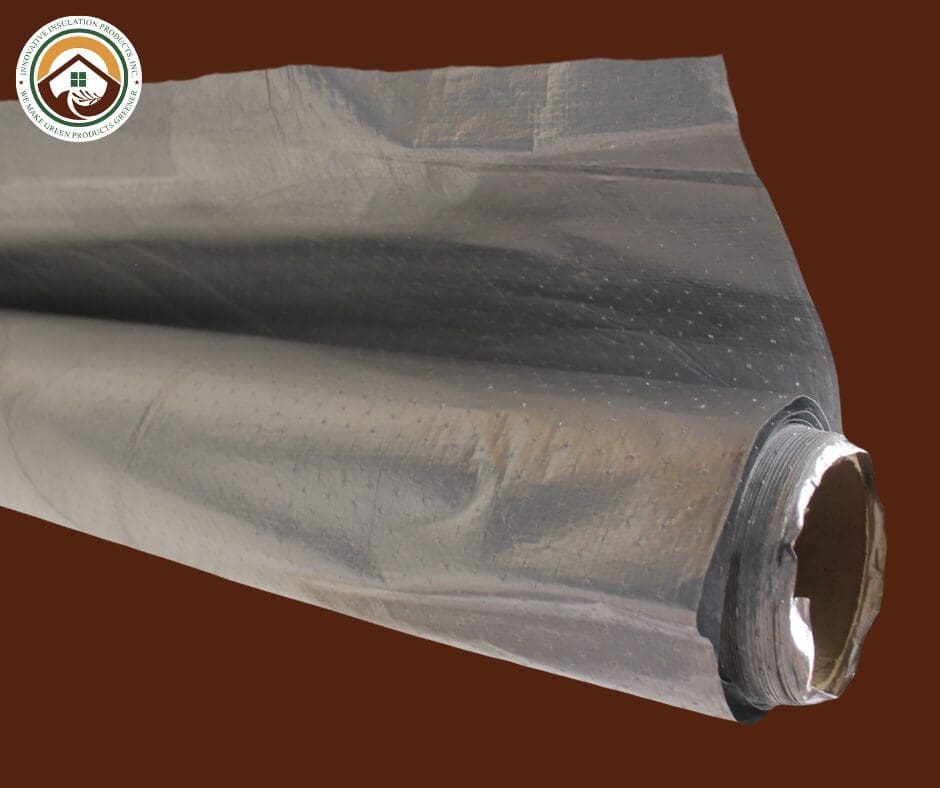
When it comes to keeping your Texas home cooler in summer and warmer in winter, not all insulation solutions perform the same. Radiant barriers and traditional insulation types—such as fiberglass batts, blown-in cellulose or fiberglass, and spray foam—address heat transfer in different ways. Understanding these differences helps homeowners and contractors choose the most effective approach…
Read MoreHow to Choose the Right Radiant Barrier for Your Attic
Choosing the right radiant barrier for your Texas attic depends on your goals: maximum summer heat reduction, ease of installation, durability, moisture/ventilation concerns, and budget. All radiant barriers primarily work by reflecting radiant heat away from the hot roof deck, but they differ in construction, long-term performance in attics, and practical considerations. Key Requirement: Radiant…
Read MoreAttic vs. Crawl Space vs. the Garage: Where Radiant Barriers Make the Biggest Impact
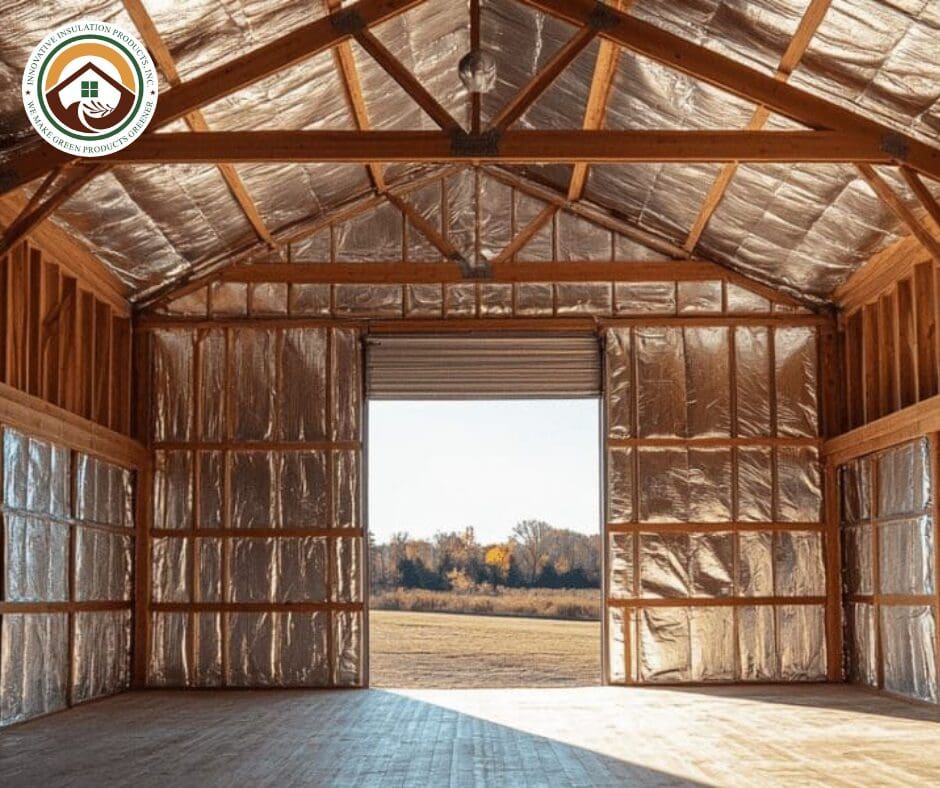
Radiant barriers and reflective insulation work differently than traditional “mass” insulation like fiberglass or foam. Mass insulation primarily slows conductive heat flow. Radiant barriers reduce radiant heat transfer by using a low-emissivity, reflective surface that faces an air space. When the reflective surface is pressed directly against another material, performance drops sharply because heat transfer…
Read More